
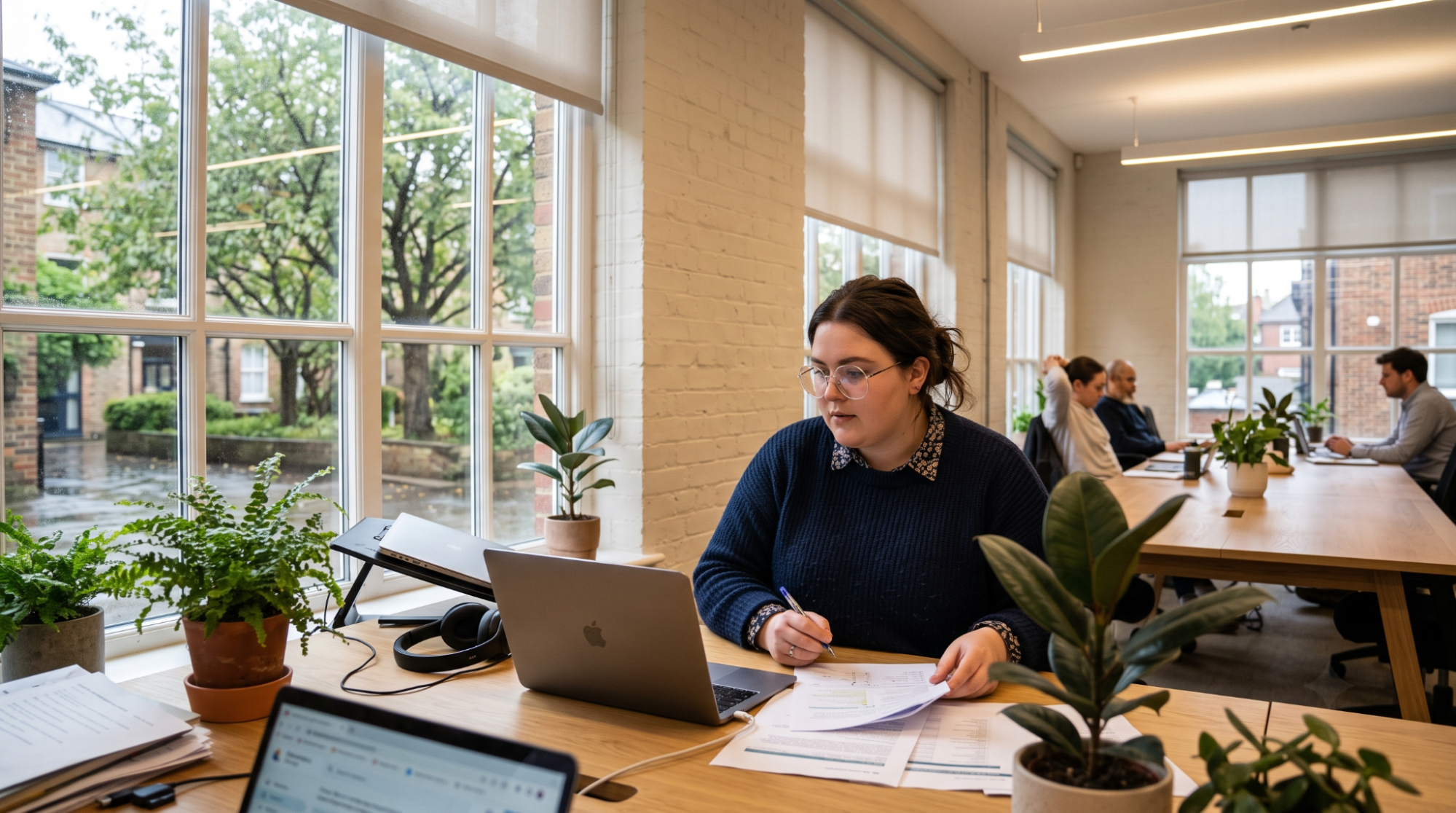
Many people think that having too much work causes them to do a poor job. However, the space they work in might be the actual problem. According to Apollo Technical, the average office worker is only productive for less than three hours during an eight-hour workday. The rest of the time is lost due to noise, mess, and constant interruptions.
Distractions multiply outside the traditional office, as remote spaces such as kitchens or spare bedrooms aren’t designed for focused work. If employers want better results from their teams, they should first consider improving the environments where people work.
At Office Productivity Network, we enhance workplace productivity with customised HR strategies, drive efficiency, engagement, and success for your team and organisation. In this article, we explore five ways the work environment impacts employee performance and how it can be improved.
Why Surroundings Shape Working Minds
Your brain constantly processes everything you see, hear, and smell. Things such as a doorbell ringing, the smell of toast, or sunlight on a screen can distract you from what you are doing. Think of focus as a budget. You only have a finite amount of this mental currency to spend each day. Every interruption takes away some of that budget.
Once you understand this idea, it becomes easier to identify and handle the five things that can distract you. To help visualise this, check out this guide, which shows how your physical work environments can impact an organisation’s performance:
Environmental Factors That Drive Staff Performance
Here are the five environmental factors that drive staff performance:
1. Natural Light Keeps Minds Alert
Sunlight can improve your mood, sleep, and alertness. It is the most affordable way to boost performance. Employees who sit near windows experience fewer headaches and less eye strain compared to those working under bright fluorescent lights. Try to place desks near natural light sources when you can, and replace dim lights with daylight bulbs. This can help you have more productive afternoons and avoid feeling sluggish later in the day.
2. Noise Levels Decide Concentration Quality
Noise is the primary distraction at work. A 2026 SQ Magazine report found that it takes workers about 23 minutes to refocus after being interrupted just once. Talking in open offices, phone notifications, and office equipment all cause this expensive disturbance. Creating quiet areas, using noise-cancelling headphones, and setting times for silence can help people concentrate better.
3. Outdoor Environments Can Enhance Focus
Utilising outdoor spaces can significantly improve productivity by providing a distinct separation between home and work life. Moving tasks to an external environment, such as a garden office, helps establish clear physical and mental boundaries that reduce the daily distractions found inside the home. This dedicated setup allows for a more professional mindset and deeper concentration throughout the day.
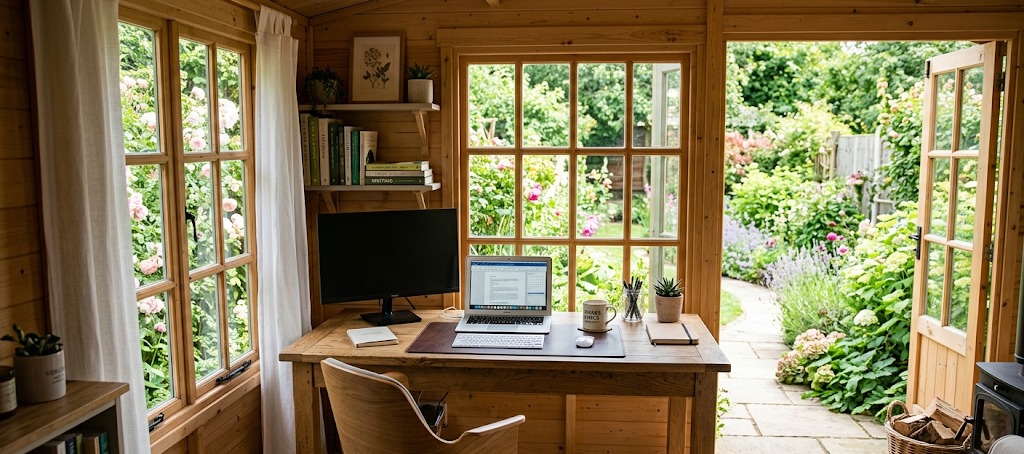
Image Source: https://elfords.co.uk/
4. Temperature and Air Affect Thinking
A stuffy room makes it challenging to think clearly and stay focused. To feel better and concentrate, open a window for fresh air, keep the room around 21°C, and add some plants. These simple changes can make the space more welcoming and help you focus better.
Letting in fresh air between meetings can make a big difference in how energetic people feel. On the other hand, if there isn’t enough fresh air, entire teams can feel tired even before lunchtime. For a clearer understanding, explore this thermal comfort guide on how heat and airflow affect the body at work.
5. Comfort and Layout Drive Output
When your back hurts, you are distracted and performance drops. Chairs that support posture, screens at eye level, and enough desk space to spread out can reduce tiredness and mistakes. Keeping your workspace neat is also important because a messy desk distracts you when you look up from your screen. Small changes to make your workspace more ergonomic can often pay for themselves quickly by leading to fewer sick days and more consistent work.
Conclusion
Surroundings impact work performance just as much as skills or tools. Things like lighting, noise levels, privacy, air quality, and comfort all make a difference. Improving even one of these elements this week, such as adjusting a desk setup or optimising a workspace, can noticeably boost focus. For more such insights, check out the Office Productivity Network blog.

